How Walkable Is Your Neighborhood and Why It Matters
When most people think about buying a home, they focus on the house itself: the number of bedrooms, the kitchen layout, the size of the backyard. But where a home sits, and specifically how walkable that location is, can have a major impact on your daily quality of life, your transportation costs, and even the long-term value of the property. Walkability is a factor that deserves real attention in your home search.
What Is Walkability, Really?
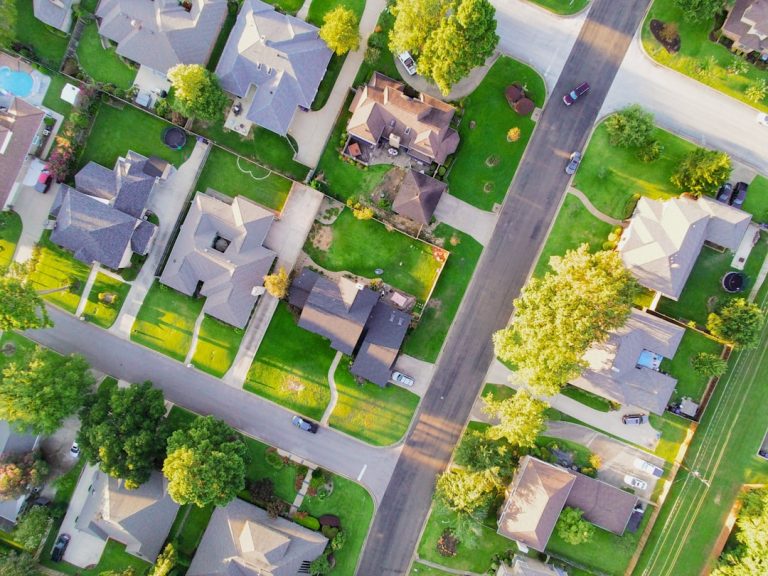
Walkability refers to how easily residents can access everyday destinations on foot: grocery stores, coffee shops, restaurants, parks, schools, transit, and more. It is not just about whether the sidewalks exist. It is about density, proximity, safety, and connectivity. A neighborhood can feel walkable when things are close together, streets feel safe and comfortable to walk on, and you can actually accomplish real errands without getting in a car.
Walk Score is one of the most widely used tools for measuring this. It assigns a score from 0 to 100 based on the number of amenities within walking distance and factors like block length and intersection density. A score above 70 is generally considered walkable; 90 and above is a walker’s paradise. Most suburban neighborhoods score in the 20 to 50 range.
Why Walkability Matters for Homebuyers
Transportation Costs
Housing cost is only one piece of the total cost of living in a location. Transportation is typically the second largest household expense. In a walkable neighborhood, you may be able to eliminate a car entirely or significantly reduce how much you drive. That can translate to thousands of dollars per year in savings on gas, insurance, maintenance, and depreciation. When comparing two homes at different price points, factoring in transportation costs can change which one is actually more affordable.
Health and Daily Lifestyle
Walkable neighborhoods naturally encourage more physical activity. When errands, restaurants, and parks are within walking distance, people walk more, simply as a byproduct of their routine. Research consistently links higher walkability with lower rates of obesity, reduced stress, and better overall health outcomes. If an active lifestyle matters to you, walkability is a meaningful lifestyle factor, not just a nice-to-have.
Social Connection
Walkable neighborhoods tend to foster stronger community connections. When people are out on foot rather than sealed inside cars, chance encounters with neighbors happen more often. Shared public spaces, coffee shops, and parks become social hubs. For families, the ability to walk to nearby events, schools, or weekend farmers markets creates a different kind of neighborhood experience.
Property Values
Properties in walkable areas have historically commanded a premium and tended to hold value better during market downturns. As more buyers, particularly younger generations, prioritize lifestyle factors over square footage, walkable urban and near-urban neighborhoods continue to attract strong demand. This is not universal, but walkability is a real demand driver in many markets.
Walkability in Texas Markets
Texas cities are largely car-centric, but pockets of genuine walkability do exist and are growing. Here is a quick snapshot of where walkability shows up in the major markets we serve.
Austin
East Austin and South Congress remain among the most walkable areas in the city. The Domain in North Austin has developed into a more walkable mixed-use environment. The overall city is improving with expanded trail systems and transit investments, though most neighborhoods still require a car for daily life.
Houston
Midtown Houston, Montrose, and the Heights consistently score among the most walkable neighborhoods in the city. These areas offer a mix of dining, retail, and transit access that is unusual for Houston. The Medical Center area also scores well given the density of services.
Dallas
Uptown Dallas and the Bishop Arts District stand out as the most walkable areas in the metro. Deep Ellum offers nightlife-focused walkability, while the Lower Greenville area has strong restaurant and retail density. DART rail connectivity adds to the walkability factor in neighborhoods along those lines.
How to Evaluate Walkability Before You Buy
Walk Score is a starting point, but do not rely on it alone. Spend time in the neighborhood at different times of day and week. Walk to the nearest coffee shop or grocery store yourself. Notice whether streets feel comfortable and safe. Talk to people who live there. Look at where the nearest transit stops are and whether you would realistically use them.
Also consider your specific needs. A neighborhood that scores well for restaurants and nightlife may not score as well for families who need proximity to good schools and playgrounds. Walkability is personal, and the best score is the one that aligns with how you actually live.
Ready to find a neighborhood that fits your lifestyle and budget? Let’s talk about what matters most to you and find the right loan to get you there.
Frequently Asked Questions
Does a higher Walk Score mean a higher home price?
Generally, yes. Walkable neighborhoods tend to command a premium in most markets because of the lifestyle benefits and consistent buyer demand. The price difference varies widely by market and specific location, but walkability is a real value driver in many urban and near-urban areas.
How do I check the Walk Score for a specific address?
You can visit walkscore.com and enter any address to get a score. Most real estate listing platforms also display Walk Scores directly on property listings, which makes it easy to compare neighborhoods as you shop.
Is walkability important if I have a car?
Even for committed drivers, walkability can improve quality of life. Having the option to walk to a coffee shop, restaurant, or park without planning a trip around it is something many homeowners come to appreciate deeply. And from a resale perspective, walkable properties appeal to a broader pool of buyers.
Are walkable neighborhoods safer?
Not necessarily, and Walk Score does not measure safety directly. A highly walkable neighborhood can have crime concerns, and a less walkable suburban neighborhood can be very safe. Walkability and safety should be evaluated separately when researching a neighborhood.
Does walkability matter for the mortgage process?
Not directly, though location factors like proximity to amenities and employment centers can influence property values, which affects appraisals. From a financing standpoint, the home’s value and your financial profile are what matter most to lenders.
Anthony Ferrando NMLS# 1919613 | Client Direct Mortgage NMLS# 1065732 | Licensed in Texas