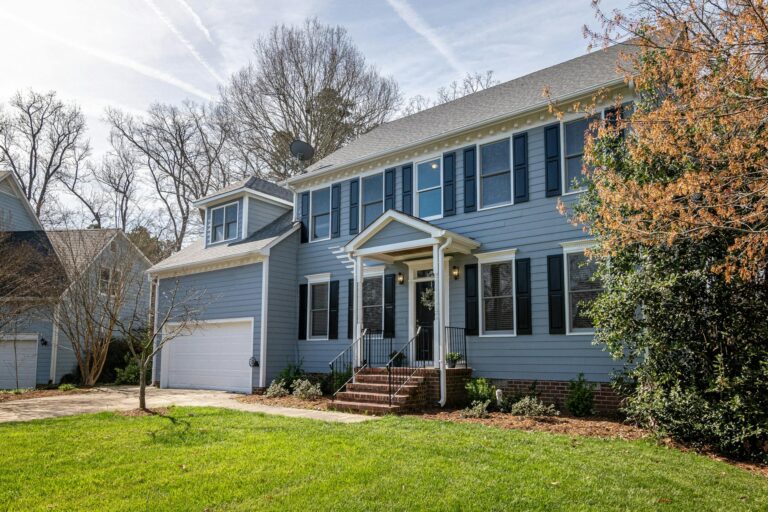

FHA Loans in Austin, TX: A Complete Guide for 2026 Homebuyers
If you are buying a home in Austin and wondering whether an FHA loan is the right fit, you are not alone. FHA loans are one of the most popular mortgage options for first-time buyers, and for good reason. They offer lower down payment requirements, more flexible credit guidelines, and a path to homeownership that works for a wide range of financial situations.
At Mortgage Austin, we work with buyers across the Austin metro every day, and FHA loans come up in nearly every conversation with first-time homebuyers. This guide breaks down everything you need to know about FHA loans in Austin, TX, so you can make a confident, informed decision.
What Is an FHA Loan?
An FHA loan is a mortgage insured by the Federal Housing Administration, a division of the U.S. Department of Housing and Urban Development (HUD). Because the federal government backs the loan, lenders can offer more flexible qualification requirements compared to conventional mortgages.
FHA loans are available through approved lenders, including independent mortgage brokers like Mortgage Austin. We help buyers throughout the Austin metro understand their options and find the loan structure that fits their situation best.
FHA Loan Requirements in 2026
Here are the core requirements you need to know before applying for an FHA loan in Texas:
Credit Score
The FHA minimum credit score is 500. However, to qualify for the standard 3.5% down payment, you typically need a score of 580 or higher. Buyers with scores between 500 and 579 may still qualify but will need a 10% down payment. Most lenders set their own overlays, so the practical minimum is often 580 to 620 depending on the file.
Down Payment
FHA loans require as little as 3.5% down. On a $400,000 home in Austin, that is $14,000, compared to $80,000 for a conventional 20% down payment. That gap is significant, and it is one of the primary reasons FHA remains popular with first-time buyers in Austin.
Down payment funds can come from savings, gifts from family members, or approved down payment assistance programs. Texas has several DPA options available, including programs through TSAHC (Texas State Affordable Housing Corporation).
Debt-to-Income Ratio
The FHA guidelines generally allow a debt-to-income (DTI) ratio up to 43%, though borrowers with strong compensating factors may qualify with DTI ratios up to 50% or higher with automated underwriting approval.
Property Requirements
The home you are buying must meet FHA minimum property standards. FHA appraisals are more thorough than conventional appraisals and may flag issues like peeling paint, roof concerns, or safety hazards that need to be addressed before closing.
Primary Residence Only
FHA loans are for primary residences only. You must intend to live in the home as your main residence. If you are buying investment property or a vacation home, you would need to look at other loan options.
FHA Loan Limits in Austin, TX for 2026
FHA loan limits vary by county and are updated annually by HUD. For 2026, the FHA loan limit in Travis County (Austin) for a single-family home is $571,550. For buyers looking at higher-priced Austin homes, a conventional loan or jumbo product may be a better fit. We can walk you through the comparison in a free consultation. Just reach out here.
FHA Mortgage Insurance: What to Expect
All FHA loans come with two types of mortgage insurance:
Upfront Mortgage Insurance Premium (UFMIP)
This is 1.75% of the loan amount, paid at closing or rolled into the loan. On a $385,000 loan, that is approximately $6,737. Most borrowers choose to roll it in so they are not paying it out of pocket.
Annual Mortgage Insurance Premium (MIP)
This is a monthly charge built into your payment. For most buyers putting down less than 10%, the annual MIP is 0.55% of the loan amount, divided across 12 monthly payments. On a $385,000 loan, that is roughly $176 per month added to your payment.
With FHA loans originated after June 2013 where you put down less than 10%, MIP stays for the life of the loan. This is one reason why buyers who can qualify for conventional financing sometimes prefer it once they have a score of 680 or higher. It comes down to the numbers, and we help you compare both scenarios side by side.
FHA vs. Conventional: Which Is Right for You in Austin?
The honest answer is: it depends on your credit profile, down payment, and the specific property.
FHA tends to win when:
- Your credit score is below 680
- You have a higher DTI ratio
- You want the lowest possible down payment
- You have had past credit challenges
Conventional tends to win when:
- Your score is 740 or higher
- You can put 5% to 20% down
- The home has condition issues that could fail FHA appraisal
- You want to avoid lifetime MIP
We offer both, and we will show you the real numbers on each so you can decide with full information. Start with a free rate quote and we will build out the comparison for your specific file.
The FHA Loan Process at Mortgage Austin
- Pre-approval: We pull your credit, review income and assets, and issue a pre-approval letter so you can shop with confidence.
- House hunting: Your realtor helps you find a home that fits your budget and FHA requirements.
- Application and processing: We submit your loan to underwriting, order the FHA appraisal, and coordinate all third-party items.
- Underwriting and clear to close: The underwriter reviews everything and issues a clear to close when satisfied.
- Closing: You sign, the funds are wired, and you get your keys.
You work directly with us throughout the entire process. No handoffs to processors you have never met, no call centers, no confusion about who to call.
Down Payment Assistance for Austin Buyers
- TSAHC My First Texas Home: Offers a 3% to 5% down payment assistance grant for first-time buyers and veterans. Can be paired with FHA financing.
- Travis County Housing Finance Corporation programs: May offer additional assistance for buyers purchasing within Travis County.
- Employer-assisted housing programs: Some larger Austin employers offer housing benefits worth asking your HR department about.
Is Austin a Good Market for FHA Buyers Right Now?
The Austin market in spring 2026 has shifted meaningfully from the frenzied pace of recent years. Active inventory is up, homes are sitting on the market longer, and sellers have more room to negotiate. For FHA buyers, this is actually a more favorable environment than you might think.
With homes averaging over 90 days on market and inventory above 5 months of supply, buyers have real negotiating leverage. FHA allows sellers to contribute up to 6% of the purchase price toward the buyer’s closing costs. In a market where sellers are motivated, you may be able to structure a deal where the seller covers a significant portion of your closing costs, lowering your cash-to-close considerably.
Learn more about our loan options and how we help buyers navigate these conditions.
Already Have a Loan Estimate? We Will Compare It
If you have already been shopping and have a Loan Estimate from another lender, bring it to us. Our Second Look program lets you upload your existing LE and we will provide a side-by-side comparison within 24 hours. No pressure, no obligation. Just clarity.
Frequently Asked Questions: FHA Loans in Austin, TX
Can I use an FHA loan to buy a condo in Austin?
Yes, but the condo complex must be on the FHA-approved condo list or go through a spot approval process. Not all Austin condo developments are FHA-approved, so verify this early in your search. We can help you check a specific property before you get too far down the road.
How long does FHA underwriting take in 2026?
Most FHA loans close in 30 to 45 days. With proper documentation ready upfront, timelines can be tighter. The FHA appraisal sometimes adds a few days compared to conventional, so plan accordingly when writing your purchase contract.
Can I refinance out of an FHA loan later?
Absolutely. Many buyers start with FHA and refinance into a conventional loan once they have built equity and their credit profile has strengthened. This eliminates the lifetime mortgage insurance requirement. We help clients think through the long-term strategy from day one.
What is the FHA debt-to-income limit?
FHA guidelines generally allow up to 43% DTI, with approval possible up to 50% or higher depending on compensating factors and automated underwriting findings. Each file is different, and we look at the full picture before telling you what is possible.
Does Mortgage Austin offer FHA loans for self-employed buyers?
Yes. Self-employed buyers can qualify for FHA financing using two years of tax returns and other documentation. It requires more paperwork, but it is absolutely doable. Reach out and we will walk you through exactly what you need to prepare.
Ready to Take the Next Step?
FHA loans open the door for a lot of buyers who assume homeownership is out of reach. If you are buying in Austin and want to understand your real options, let us have a conversation. We will look at your full picture and give you honest guidance on whether FHA is the right tool, or whether another product serves you better.
Contact us today or get a free rate quote to get started.
Ferrando Financial LLC | Mortgage Austin | NMLS# 2403080 | Licensed in Texas. This content is for educational purposes only and does not constitute a commitment to lend. Loan approval is subject to underwriting review and qualification. Programs and guidelines subject to change.