Self-Employed and Buying in Austin: How Lenders Read Your Income
Austin’s economy runs on people who work for themselves: contractors, consultants, agency owners, tech freelancers, real estate agents, and small-business operators. The U.S. Bureau of Labor Statistics put the self-employment rate in Texas near 10% of the workforce in early 2026, and the Austin metro skews higher. Plenty of those buyers assume a mortgage is out of reach because their tax returns show a modest “net” number. It is not out of reach. It works differently. Lenders read self-employed income from the bottom line of your returns, not your gross deposits, and a few well-understood add-backs can change the picture.
At Mortgage Austin, a large share of the buyers I help are self-employed, and most qualify for the same Conventional and FHA loans as a salaried borrower once we document income correctly. Here is how underwriters actually calculate it, what hurts you, and how to prepare.
Key points:
- Lenders average your net self-employment income over two years of tax returns, not your gross revenue or bank deposits.
- Certain paper losses get added back: depreciation, depletion, a home-office deduction, and one-time expenses.
- Most self-employed buyers qualify with full documentation for Conventional or FHA loans at standard rates.
- Generally you need a two-year self-employment history; some Conventional files allow one year with strong compensating factors.
- Writing off everything to lower your tax bill also lowers your qualifying income; there is a trade-off.
- Bank-statement loans exist, but they carry higher rates, so most self-employed Austin buyers come out ahead on a Conventional loan with add-backs.
How do lenders calculate self-employed income?
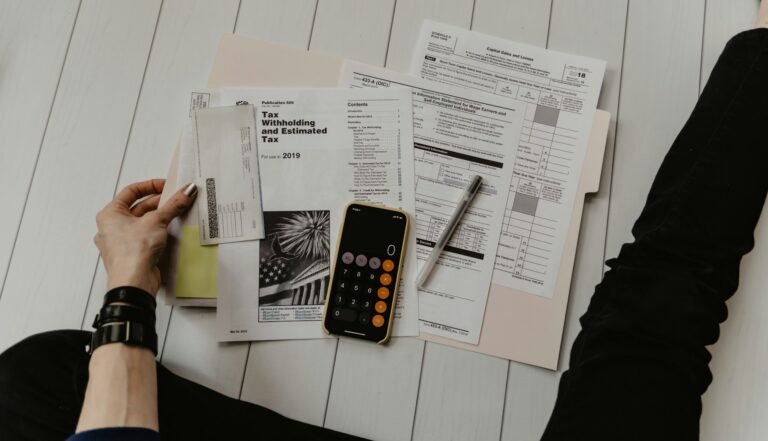
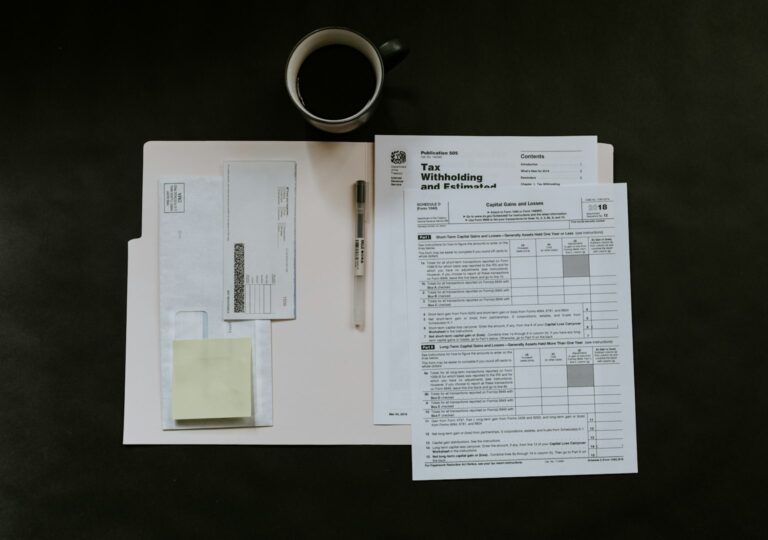
Lenders calculate self-employed income by averaging the net profit reported on your last two years of federal tax returns, then adding back specific non-cash deductions. If you file a Schedule C as a sole proprietor, they start with the net profit on that schedule. If you own an S-corp or partnership, they use the K-1 plus your W-2 wages from the business and review the business returns. The result is a monthly qualifying income figure that feeds your debt-to-income ratio.
The number that matters is your bottom line after deductions, not the revenue at the top. A graphic designer who invoices $180,000 but writes the business down to $70,000 in net profit qualifies on something close to the $70,000, adjusted for add-backs. This surprises a lot of first-time self-employed buyers.
What deductions get added back to your income?
This is where good preparation pays off. Underwriters add certain non-cash or non-recurring deductions back to your net profit because they reduced your taxable income without reducing the cash in your pocket. Common add-backs include:
- Depreciation. A paper deduction for wear on equipment or property. It comes straight back.
- Depletion. Similar concept, common for certain asset-based businesses.
- Home-office deduction. Often added back because it is not an out-of-pocket cash expense.
- Business use of a vehicle (the depreciation portion). Part of the mileage deduction is non-cash.
- One-time expenses. A documented non-recurring cost, like a single large equipment purchase, can sometimes be added back.
- Amortization and casualty losses. Non-cash items that reduced reported profit.
The takeaway: your qualifying income is usually higher than the net on your return, but lower than your gross. A lender who handles self-employed files routinely will know which add-backs apply to your specific returns.
How many years of self-employment do you need?
The standard answer is two years. Both Conventional and FHA guidelines generally want a two-year history of self-employment, documented with two years of personal (and often business) tax returns. There are exceptions: Conventional financing can sometimes approve a borrower with a one-year self-employment history if there is a strong track record in the same line of work as a prior W-2 employee, plus solid reserves and credit. If you just went out on your own this year, time is often the missing ingredient, and waiting until you have the history can be the cheaper move than reaching for a higher-rate alternative.
Does writing off expenses hurt your mortgage?
Yes, and this is the central tension for self-employed buyers. Aggressive write-offs lower your tax bill today and lower your qualifying income at the same time. There is a real trade-off between minimizing taxes and maximizing borrowing power. If you know you want to buy in the next year or two, talk with your tax preparer and a lender together, because the deductions that save you a few thousand dollars in April can cost you tens of thousands in buying power. This is a planning conversation worth having early.
Should a self-employed buyer use a bank-statement loan?
Bank-statement loans qualify you on deposits into your business account over 12 to 24 months instead of tax returns, which sounds ideal if your returns show heavy write-offs. They serve a real purpose for borrowers whose documented net income does not support the payment. The cost is the catch: because these loans are not sold to Fannie Mae or Freddie Mac, they carry higher rates and often larger down payments. I do not originate bank-statement loans, and most of the self-employed buyers who come to me asking about them end up better off on a Conventional loan once we apply the add-backs and look at two years together. Run both paths before you assume the alt-doc product is your only option; on rate and total cost, the conventional route wins more often than buyers expect.
How should a self-employed buyer prepare?
A few steps make the process smooth. File your returns on time (an unfiled extension can stall an approval). Keep your business and personal accounts separate. Avoid large unexplained deposits in the months before applying, since underwriters source them. Build cash reserves, which strengthen a self-employed file. And get pre-approved early so you know your real qualifying income before you shop, not after you fall for a house in Travis County you may not qualify for.
Frequently Asked Questions
Can I get a mortgage if I am self-employed in Austin?
Yes. Self-employed buyers qualify for the same Conventional and FHA loans as salaried borrowers, usually at the same rates. Lenders average the net income on your last two years of tax returns and add back certain non-cash deductions. The key is documenting income correctly, which a lender who handles self-employed files does routinely.
How many years of tax returns do I need to buy a house?
Generally two years of self-employment history and two years of tax returns. Some Conventional files allow a one-year history if you have a strong track record in the same field, good credit, and reserves. If you only recently went self-employed, waiting until you have the two-year history is often the most affordable route.
Why is my qualifying income lower than what my business brings in?
Lenders use the net profit on your tax returns, not gross revenue, then add back non-cash deductions like depreciation. Every business expense you write off reduces both your taxable income and your qualifying income. So a business that invoices a lot but writes down to a small net profit qualifies on a figure closer to that net, plus add-backs.
Are bank-statement loans a good idea for self-employed buyers?
They have a place, but they cost more. Bank-statement loans qualify you on deposits instead of tax returns and carry higher rates and larger down payments because they are not sold to Fannie Mae or Freddie Mac. Most self-employed buyers come out ahead on a Conventional loan with proper add-backs, so compare both before assuming you need an alt-doc product.
Will writing off business expenses hurt my home loan?
It can. Deductions lower your tax bill and your qualifying income at the same time. If you plan to buy within a year or two, coordinate with your tax preparer and lender so you understand the trade-off. The few thousand dollars you save on taxes can cost much more in borrowing power.
How much down payment does a self-employed buyer need?
The same as anyone else for the loan type: as low as 3% to 5% down on a Conventional loan or 3.5% on FHA for a primary residence. Being self-employed does not raise the down payment on a standard loan. Strong reserves do help your file, so saving beyond the minimum is worthwhile.
Let’s map your real qualifying income
If you are self-employed and thinking about buying in Austin, the most useful first step is figuring out your true qualifying income before you shop. Send me two years of returns and I will walk you through the add-backs and what loan amount they support. Schedule a discovery call and we will go through it together, no pressure, no commitment, just a clear number to plan around.
For current rate context, see our Austin mortgage rates page. You may also find it useful to read how lenders weigh assets versus income and how your credit score affects your rate.
Anthony Ferrando NMLS# 1919613 | Client Direct Mortgage NMLS# 1065732 | Licensed in Texas. This content is for educational purposes only and does not constitute a commitment to lend. Loan approval is subject to credit, income, and property qualification. Self-employed income calculations vary by business structure and tax filing; figures are illustrative.