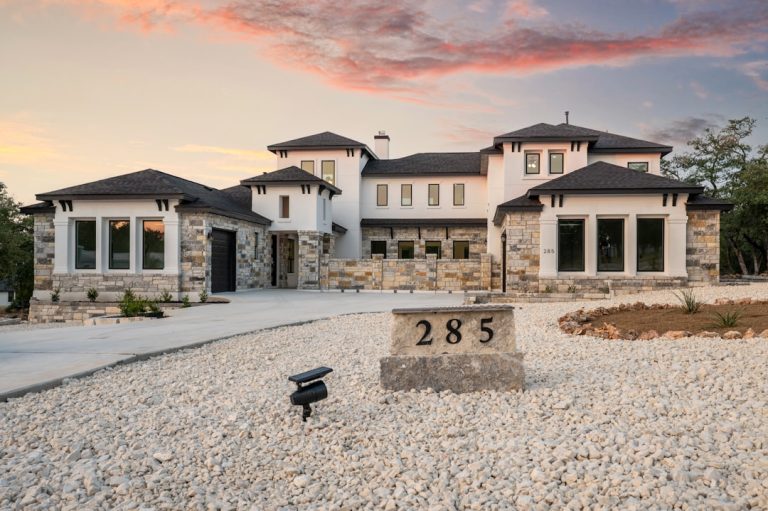

Title Insurance in Texas: What It Is, What It Covers, and Why You Need It
When you are buying a home in Texas, you will see a line item on your Closing Disclosure called title insurance. For most buyers, it is one of those costs that gets accepted without much thought. You pay it, you move on. But understanding what title insurance actually does, and what happens if you do not have it, is worth five minutes of your time before you get to the closing table.
Here is a plain-language breakdown of how title insurance works in Texas, what it covers, and why both types matter to you as a buyer.
What Is Title Insurance?
Title insurance is a one-time premium that protects you and your lender against financial loss caused by defects in the ownership history of the property you are buying. Unlike most insurance products, which protect against future events, title insurance protects against past events that could affect your legal right to own the property.
The chain of title is the record of every owner a property has had going back, in some cases, many decades. Problems in that chain can surface years after a sale closes, and when they do, they can threaten your ownership of the property. Title insurance is the financial backstop that covers you if that happens.
The Two Types of Title Insurance in Texas
In Texas, there are two separate title insurance policies involved in most home purchases: the lender policy and the owner policy. They cover different parties and serve different purposes.
Lender Title Insurance (Required)
Your mortgage lender will require a lender title insurance policy as a condition of your loan. This policy protects the lender up to the loan amount if a title defect is discovered after closing. It does not protect you. It protects the bank.
The lender policy is typically included in your closing costs and is issued simultaneously with the owner policy, which lowers the overall premium for both. In Texas, title insurance rates are set by the Texas Department of Insurance, so the premium is not something you can negotiate between title companies. Every title company in Texas charges the same rate.
Owner Title Insurance (Highly Recommended)
The owner policy is a separate policy that protects you, the buyer. It covers the full purchase price of the property and stays in effect for as long as you or your heirs own it. In Texas, the seller customarily pays for the owner title insurance policy, though this is negotiable and varies by market and transaction.
If a claim arises after closing, the owner policy covers your legal defense costs and any financial losses up to the policy amount. This is not a small thing. Title claims can range from minor administrative headaches to scenarios where someone challenges your ownership of the property entirely.
What Title Insurance Actually Covers
Before issuing a policy, the title company conducts a title search, which means reviewing county records, court records, and other public documents to identify any problems in the property history. Common issues that get caught during the search include unpaid liens from previous owners, recording errors, boundary disputes, and outstanding mortgages that were never properly discharged.
But some problems are not discoverable through a standard search. This is where the insurance component matters. Title insurance covers defects that are unknown at the time of closing, including the following scenarios:
Forged documents: A previous deed or mortgage in the chain of title was forged, and the legitimate owner now has a legal claim on the property.
Unknown heirs: The property was sold by someone who did not have the legal authority to sell it, because an heir with a legitimate ownership interest was not located or notified at the time of an earlier sale.
Survey errors: A prior survey was incorrect, and the boundary of the property you purchased is not where everyone believed it was. This matters particularly for fence lines, driveways, and accessory structures that may encroach on a neighboring parcel.
Clerical and recording errors: Errors in public records, such as a deed that was indexed under the wrong name or a lien that was recorded incorrectly, can create title issues that were invisible at the time of the search.
Undisclosed easements: A utility or access easement exists on the property that was not properly recorded or disclosed, affecting your ability to use part of your lot as you intended.
How Texas Title Insurance Pricing Works
Because Texas regulates title insurance rates through the Department of Insurance, the premium is calculated based on the purchase price of the home using a published rate schedule. The rate decreases on a sliding scale as the purchase price increases.
For a $450,000 purchase in Texas, the combined owner and lender title insurance premium will typically run somewhere in the range of $2,000 to $2,800, though the exact figure depends on the loan amount and whether any endorsements are added. Your title company will provide a commitment letter early in the transaction that shows the specific premium for your purchase.
Because rates are fixed, shopping for a lower title insurance rate between Texas title companies is not something that will produce meaningful savings. Where you do have some ability to compare is on the service quality and closing efficiency of the title company itself. This matters more than people realize, particularly in transactions with tight timelines.
What Title Insurance Does Not Cover
There are things title insurance is not designed to protect against. Understanding the limits helps you know where other protections come into play.
Title insurance does not cover issues that arise after your closing date, such as a lien placed on the property because of your own debts after you take ownership. It does not cover zoning violations or land use restrictions that prevent you from using the property the way you intended, though certain endorsements can address some of these scenarios. It does not cover physical condition issues with the property itself. Those fall under your home inspection and any warranties from the seller or builder.
The Title Process in a Texas Purchase Transaction
Once you have a signed contract, your real estate agent or lender will open escrow with a title company. The title company then does the following:
Issues a title commitment, which discloses any known issues with the title and outlines the requirements to clear them before closing. Reviews survey results when a new survey is ordered. Collects payoff information for any existing mortgages on the property. Coordinates with your lender to prepare closing documents. Funds the transaction and records the deed with the county clerk after closing.
In Texas, the title company serves as the neutral third party handling the money and the paperwork. Choosing a title company with strong communication and a good track record for on-time closings is worth asking your agent about early in the process. We work with title partners across the Austin metro regularly and can point you in a good direction if you need a referral. Reach out here and we will connect you.
Should You Ever Waive Owner Title Insurance?
In Texas, the short answer is no. Because the seller typically pays for the owner policy, the cost to you in a standard purchase transaction is essentially zero. Waiving the owner policy when someone else is paying for it does not make financial sense.
In transactions where the cost allocation has been negotiated differently, the owner premium as a percentage of the purchase price is small. The one-time cost to protect your ownership for as long as you hold the property is a straightforward value proposition. Title claims are not common, but when they happen, they can be extremely costly and legally complex. The insurance exists precisely for that scenario.
If you have questions about what to expect at closing, we have a full walkthrough on our loan options page and you can always start your pre-approval to begin the process with a clear picture of all your closing costs upfront.
Frequently Asked Questions
Who pays for title insurance in Texas?
In Texas, it is customary for the seller to pay for the owner title insurance policy and for the buyer to pay for the lender title insurance policy. This is a negotiable point in any contract, and the allocation can vary by market conditions and transaction terms. Your Closing Disclosure will show exactly how the cost is split in your specific deal.
How long does title insurance coverage last?
Your owner title insurance policy remains in effect for as long as you or your heirs own the property. There is no renewal premium and no expiration date. The one-time premium paid at closing covers the full duration of ownership.
What is a title commitment and when do I get it?
A title commitment is a document issued by the title company early in the transaction that discloses the current state of the title and lists any requirements that must be met before a clean policy can be issued. You should receive the title commitment within a few days of opening escrow. Review it carefully with your real estate agent and flag any items in Schedule B that look unusual.
Can a title claim force me out of my home after I close?
In theory, a serious title defect could give another party a legal claim on your property. This is exactly the scenario your owner title insurance policy addresses. The insurer would cover your legal defense and any financial loss up to the policy amount. In practice, most title issues are resolved through negotiation or legal process before they reach the point of someone losing ownership, but coverage provides the financial backing to defend your position.
Do I need a new survey for every purchase?
In Texas, lenders typically require a survey to confirm the property boundaries and identify any encroachments or easements. If the seller has a recent survey (usually within one to two years and with no changes to the property), it may be acceptable to both the lender and the title company. If not, a new survey will be ordered. Survey costs in Texas typically run between $400 and $700 depending on the property and its complexity.
Anthony Ferrando NMLS# 1919613 | Client Direct Mortgage NMLS# 1065732 | Licensed in Texas. This content is for educational purposes only and does not constitute a commitment to lend. Loan approval is subject to credit, income, and property qualification. Title insurance requirements and customs vary by transaction.