How Austin Buyers Are Choosing Neighborhoods Differently in 2026
The Priorities Have Shifted
Walk-in closets and granite countertops used to top every buyer’s wish list. In 2026, Austin buyers are asking different questions before they fall in love with a property. They want to know what is within walking distance. They want to understand the neighborhood’s long-term trajectory. They want to know how the community actually feels to live in, not just how it photographs.
This shift is showing up clearly in buyer behavior across Austin. Homes in walkable, community-centered neighborhoods are selling faster and holding value better than comparable homes in car-dependent areas, according to local market observers and real estate professionals active in the Austin market today. And that pattern is changing how smart buyers approach their search.
Whether you are relocating to Austin from another city, upgrading from a rental, or making your first purchase, understanding what is driving the 2026 buyer mindset helps you make a decision you will feel great about five years from now, not just on closing day.
What Austin Buyers Actually Want in 2026
Based on what is driving buyer conversations and neighborhood demand right now, a few themes have emerged clearly across the metro.
Walkability and Daily Convenience
Buyers relocating from cities like Chicago, New York, and Los Angeles often rank walkability near the top of their list. Austin is not a pedestrian city in the traditional sense, but certain neighborhoods deliver a version of it that resonates strongly with this group.
South Congress, Bouldin Creek, Mueller, and the Hyde Park area consistently rank as Austin’s most walkable neighborhoods for practical daily needs: coffee shops, groceries, parks, and restaurants within a 10 to 15 minute walk. Real estate professionals in South Austin report that buyers from larger metros are specifically targeting Bouldin Creek for its South Congress access and neighborhood character.
The trade-off in walkable neighborhoods is almost always price. Homes in these areas command a premium, and inventory tends to be tighter. But for buyers who plan to stay long-term, the premium often holds up through resale as well.
Community and Social Infrastructure
A growing number of buyers in 2026 are asking about more than just the home itself. They want to know what community looks like in a neighborhood: the farmers markets, the neighborhood pools, the running trails, the dog parks, the kind of place where you actually get to know your neighbors.
Neighborhoods like Mueller have built this kind of social infrastructure deliberately. Mueller was master-planned around community gathering spaces, a central park, a farmers market, and mixed-use retail that makes staying local for daily life genuinely easy. That model has become a reference point that buyers increasingly use when evaluating other neighborhoods.
Circle C Ranch in Southwest Austin draws a different but equally community-minded buyer: families who want structured amenities, established schools, and a neighborhood identity that feels stable and connected.
Climate Resilience and Practical Features
The 2021 winter storm left a lasting mark on Austin buyer psychology. Energy resilience has moved from a nice-to-have to a real checkbox for a meaningful segment of buyers. Homes with updated insulation, modern HVAC systems, backup power compatibility, and efficient construction are drawing heightened interest.
This has contributed to the appeal of newer developments and master-planned communities that build with modern standards from the ground up. Whisper Valley, east of Austin along the SH-130 corridor, is one notable example: Austin’s first zero-energy planned community, built around geothermal technology and designed specifically for energy efficiency. Buyers drawn to sustainability are finding options like this increasingly compelling as the product matures.
The Suburb-Adjacent Sweet Spot
Not everyone is chasing inner-city walkability. A large portion of Austin’s buyer pool in 2026 is gravitating toward what might be called the suburb-adjacent sweet spot: communities like Leander, Cedar Park, and Round Rock that offer more space and newer construction, but with improving transit connectivity and growing amenity bases.
Leander in particular has attracted significant attention with its MetroRail access into downtown Austin, a growing food and retail scene, and new school construction that supports expanding families. First-time buyers who are priced out of Austin proper are finding that a 30 to 40 minute commute from Leander comes with meaningfully more home for their dollar.
New Development Activity Worth Watching
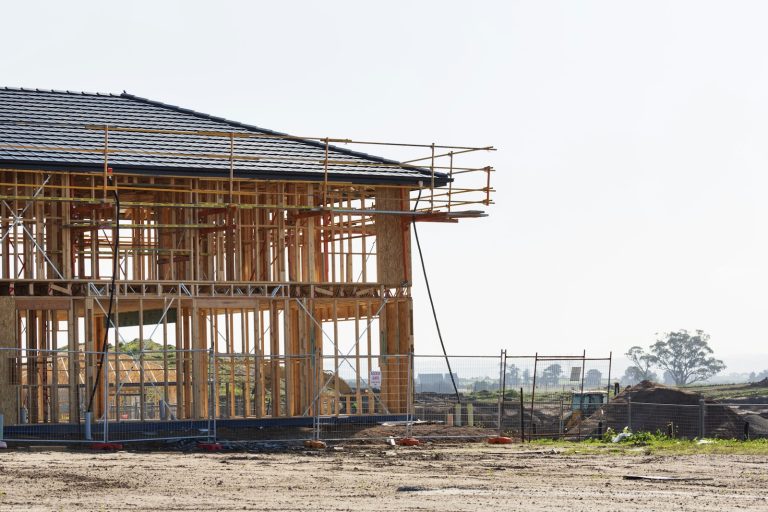
Austin’s development pipeline reflects these shifting priorities. The city unveiled a retooled development framework in April 2026 that would allow taller buildings in exchange for affordable housing inclusion, targeting urban corridors where density and community walkability intersect.
In East Austin, the city’s Mira development opened earlier this year: a mixed-income, missing-middle townhome community in the Govalle neighborhood in District 3. Projects like this signal that Austin is actively working to expand ownership options closer to the urban core, not just at the suburban fringe.
These shifts matter for buyers paying attention. Neighborhoods adjacent to new development often see appreciation as infrastructure and amenities fill in around them. Buying early in a neighborhood on a clear upward trajectory has historically been one of the more reliable strategies in Austin’s market.
How to Match Lifestyle to Neighborhood Before You Buy
Choosing the right neighborhood is at least as important as choosing the right house. Here is a practical framework we share with buyers who are working through this decision.
Audit Your Daily Life
Before you narrow neighborhoods, map out how you actually spend your week. Where do you work, work out, shop, and socialize? A neighborhood that places you closer to what matters most in your daily routine adds quality to your life in ways that square footage alone cannot.
Visit at Different Times
A neighborhood on a Saturday morning feels different than the same neighborhood on a Tuesday evening at 6 PM. Drive your likely commute routes during rush hour. Grab coffee at a neighborhood spot on a weekend. Walk around after dinner. You are not just buying a house; you are buying a daily environment.
Think Five to Seven Years Out
Austin changes fast. Neighborhoods that feel transitional today can look completely different in five years. Understanding what is approved, permitted, or under construction nearby gives you a more complete picture of where a neighborhood is headed, not just where it is today.
Get Pre-Approved Before You Fall in Love
The worst outcome in any competitive market is finding the right neighborhood and the right home, then losing it because your financing is not ready. A real pre-approval puts you in a position to move decisively when the right opportunity appears. Start your pre-approval here so you are ready when the moment comes.
And if you already have a Loan Estimate from another lender, our Second Look program gives you a direct comparison within 24 hours, no commitment required. Many buyers discover meaningful differences in fees and structure once they actually compare.
Finding the Right Financial Fit for Your Neighborhood
Different neighborhoods at different price points call for different financing strategies. A condo in South Congress might pair well with a conventional loan at a specific down payment structure. A new build in Leander might come with builder incentives worth comparing carefully against outside financing. A duplex in East Austin might open up investment loan options that change the math entirely.
We help you work through that piece before you commit, not after. Explore loan options here, or reach out directly to talk through your specific situation. There is no one-size-fits-all answer in Austin’s market, and we are here to help you find the fit that actually works for your life.
Frequently Asked Questions
Which Austin neighborhoods are best for walkability in 2026?
South Congress, Bouldin Creek, Mueller, Hyde Park, and the Domain area consistently rank among Austin’s most walkable neighborhoods for practical daily needs. Each has its own character and price point, so the best fit depends on your lifestyle and budget.
Is it better to buy inside Austin city limits or in the suburbs?
It depends entirely on your priorities. Inside Austin proper, you get urban density, walkability, and proximity to major employers, but at a premium price. Suburbs like Leander, Round Rock, and Cedar Park offer more space and newer construction at lower price points, with improving connectivity into the city. Many buyers in 2026 are finding the suburb-adjacent communities the best balance for their situation.
How does neighborhood choice affect my mortgage?
Neighborhood affects your purchase price, property tax rate, HOA obligations, and sometimes your insurance costs. All of these factor into your monthly payment and overall affordability. We factor in the full picture when we run your numbers so there are no surprises after closing.
What is Austin’s new development policy and how does it affect buyers?
Austin unveiled a revised development framework in April 2026 allowing taller buildings in urban corridors in exchange for affordable housing commitments. For buyers, this signals continued density growth in inner-ring neighborhoods, which has historically supported property values in adjacent areas.
How do I know if a neighborhood is right for me before I buy?
Spend time in the neighborhood at different times of day and week. Talk to people who live there. Map your daily routine against what the neighborhood offers. And make sure your financing is ready before you fall in love with a specific property. We can help with that part.
Anthony Ferrando NMLS# 1919613 | Client Direct Mortgage NMLS# 1065732 | Licensed in Texas. This content is for educational purposes only and does not constitute a commitment to lend. Loan approval is subject to credit and property approval. Terms and conditions apply.