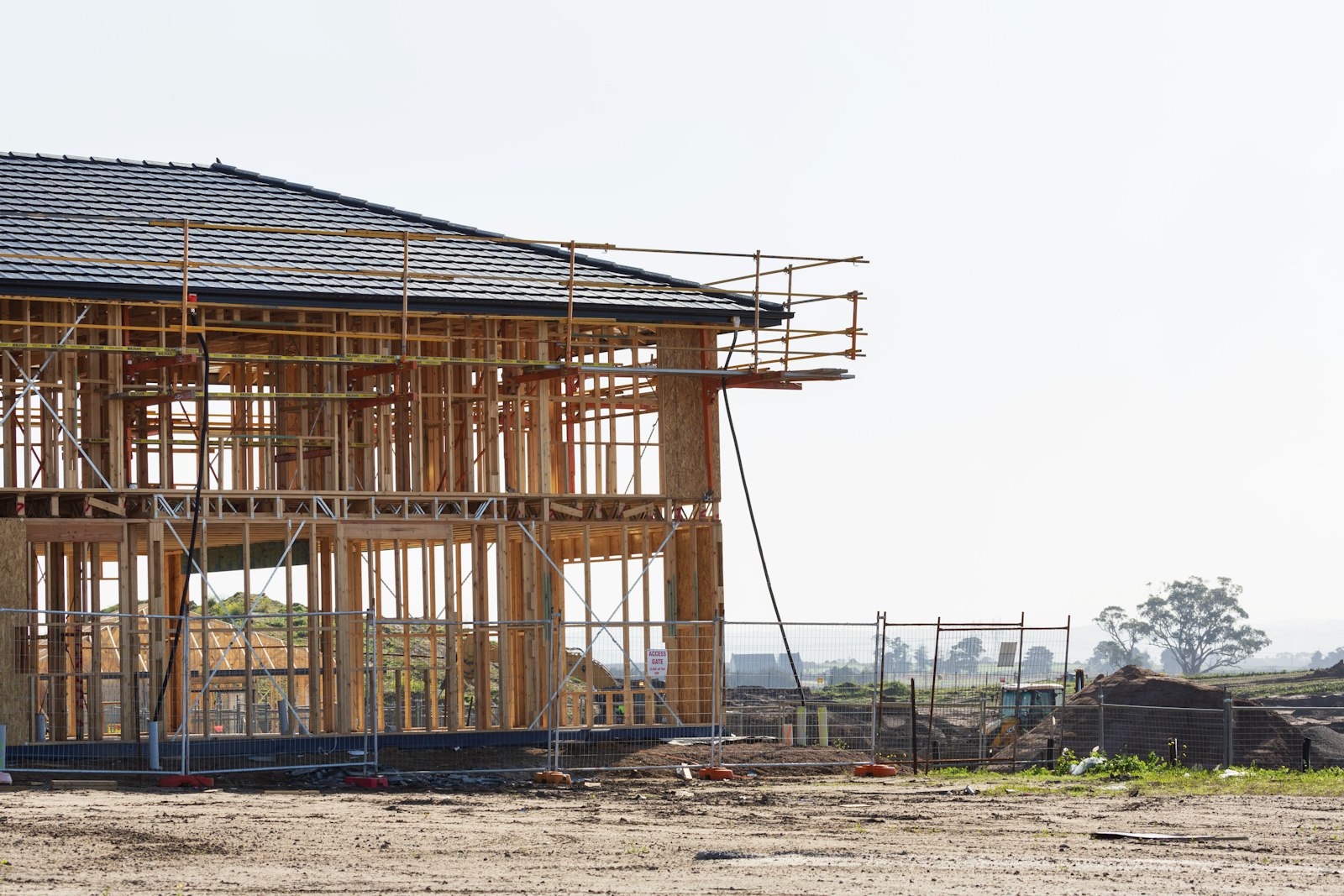
New Construction in Austin: Builder Incentives Worth Taking
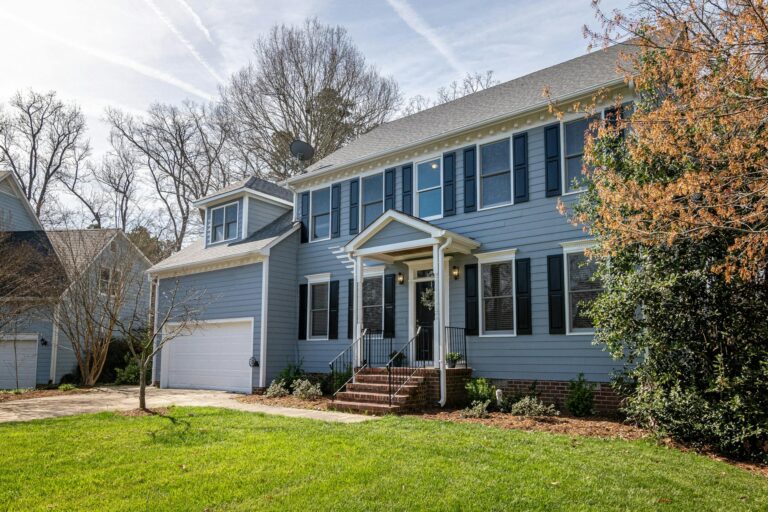
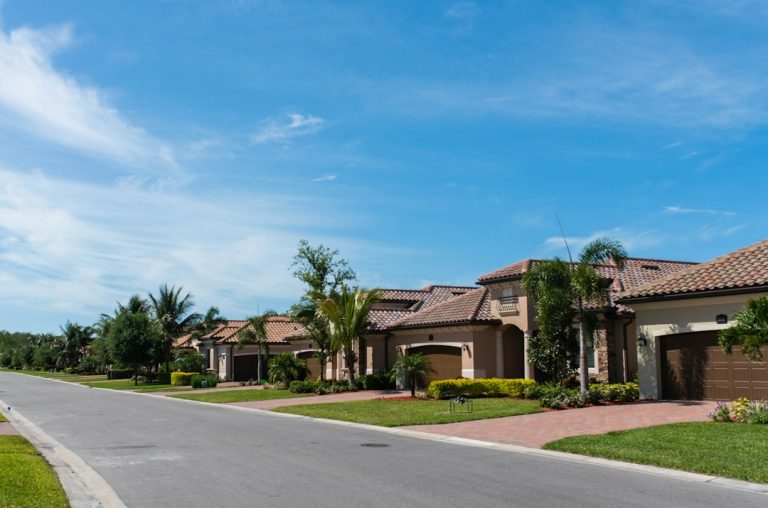
Drive out toward Leander, Hutto, Kyle, Buda, or Georgetown right now and you will pass rows of finished and nearly finished new homes with flags out front. Builders across the Austin metro have leaned hard on incentives while rates have stayed elevated through 2026, and some of those offers are worth real money. The median sold price across the Austin area was $473,745 the week of June 17, 2026 (Team Price Real Estate, Austin-Area MLS data), and on a purchase that size, a strong builder incentive can be worth tens of thousands of dollars.
The trick is telling the incentives that lower your true cost from the ones that mostly steer you toward a deal that benefits the builder. This post is about buying a completed or near-completed new home with a standard purchase mortgage (Conventional, FHA, or VA), not a construction loan. Here is how to read the offers.
Key points:
- The most valuable builder incentives are closing-cost credits and rate buydowns, often worth tens of thousands on an Austin-area purchase.
- Most builder incentives are tied to using the builder’s preferred (often affiliated) lender.
- A preferred-lender deal can carry a higher base price or rate, so compare the total cost, not just the headline credit.
- You can buy a finished new home with a normal Conventional, FHA, or VA loan; this is not a construction loan.
- For homes still finishing, ask about extended rate locks so a rate change before completion does not blow up your budget.
- Always get an independent loan quote to benchmark the builder’s offer before you sign anything.
What builder incentives are actually worth taking?
The incentives with the most real value are closing-cost credits and interest-rate buydowns, because both lower money you would otherwise pay out of pocket or over the life of the loan. Design-center upgrades and appliance packages have value too, but they are easier for a builder to mark up first and discount second. Cash toward closing and a lower rate are harder to fudge.
A common 2026 offer is a permanent rate buydown or a temporary 2-1 buydown funded by the builder. On a $475,000 home, buying the rate down even half a point can save real money each month. The value is real when the home’s price has not been quietly raised to pay for it, which is exactly what you confirm by comparing against an outside quote.
Why are most incentives tied to the builder’s lender?
Builders attach incentives to their preferred lender because many of them own a piece of that lender, so keeping the loan in-house keeps the profit in-house. That is legal and common, and the preferred lender is sometimes competitive. The point is that the incentive is a marketing tool, and the builder has built its economics around you taking the whole package.
Federal law (RESPA) says a builder cannot require you to use its lender to buy the home. It can, though, condition the incentive on using that lender. So your real decision is whether the incentive is worth more than what you might save on rate and fees elsewhere. That is a math question, and it is answerable.
Preferred lender vs. an independent broker: comparing the real cost
The honest way to evaluate a builder’s offer is to put it next to an independent quote on the same loan and look at total cost over the time you expect to own the home. The illustration below shows how a headline incentive can shrink once you account for a higher rate. Figures are illustrative, not a quote, and depend on your credit, income, and the property.
| Factor | Builder preferred lender | Independent broker |
|---|---|---|
| Incentive offered | $15,000 toward closing | $0 builder credit |
| Example base rate | Slightly higher | Slightly lower |
| Lender/closing fees | Standard | Often lower |
| What to compare | Total of payments plus closing costs over 5 years, after the incentive | |
Sometimes the builder credit wins. Sometimes the lower rate and fees from shopping the loan win, even with no credit. You will not know which until you run both. Where rates sit week to week shapes the answer, so it helps to check the current backdrop on our rolling Austin mortgage rates page before you compare offers.
Buying a finished new home is a normal mortgage, not a construction loan
When you buy a completed or nearly completed home from a builder, you use a standard purchase mortgage, the same Conventional, FHA, or VA loan you would use on a resale home. There is no separate construction loan, no draw schedule, and no owner-builder process. The builder finishes the house, you close, you move in.
At Mortgage Austin we help buyers compare a builder’s preferred-lender package against an independent Conventional, FHA, or VA quote so the choice is based on total cost rather than the size of the headline. The down payment rules are the same as any purchase; our guide on what you actually need for a down payment walks through the tiers.
What about homes that are still being finished?
If your new home is months from completion, ask the builder and the lender about an extended rate lock. A standard lock runs 30 to 60 days, but new-construction buyers often need 90, 120, or more, because the rate you qualify for today may not be available when the house is ready. Some builders fund extended locks or float-down options as part of the incentive.
This is where a buydown offer and a long timeline interact. A builder-paid buydown protects you against where rates sit at closing, but only if the lock terms actually reach your completion date. Read the lock period the same way you read the price. For homes in newer master-planned areas, also confirm any MUD district costs and HOA dues, since those affect both your payment and your qualification. The Austin housing market hub keeps current inventory and price figures handy while you compare communities.
Frequently Asked Questions
Do I have to use the builder’s lender to get the incentive?
You do not have to use the builder’s lender to buy the home, and federal RESPA rules say a builder cannot require it. A builder can, however, tie its incentive to using its preferred lender. So the real question is whether that incentive is worth more than what you might save on rate and fees with an outside lender.
Are builder incentives worth it, or is the price just higher?
Closing-cost credits and rate buydowns carry real value when the home’s price has not been quietly raised to fund them. The way to confirm is to get an independent loan quote and compare total cost over the years you expect to own. Sometimes the builder credit wins, and sometimes a lower rate from shopping the loan wins.
Can I use an FHA or VA loan to buy a new construction home?
Yes. Buying a completed or nearly completed home from a builder uses a standard purchase mortgage, so Conventional, FHA, and VA loans all work the same way they do on a resale home. This is different from a construction loan, which finances building a home from the ground up.
What is a 2-1 buydown and do builders pay for them?
A 2-1 buydown temporarily lowers your interest rate by 2% in year one and 1% in year two before it returns to the note rate in year three. Builders in the Austin metro have frequently funded these in 2026 to ease the early monthly payment. Compare the buydown against a permanent rate reduction to see which fits how long you plan to stay.
Should I lock my rate if my new home is not done yet?
If completion is months away, ask about an extended rate lock. Standard locks run 30 to 60 days, but new-construction buyers often need 90 to 120 days or longer. Some builders fund extended locks or float-down options as part of the incentive, which protects your budget if rates move before the home is ready.
What extra costs come with new construction in Austin suburbs?
Many newer master-planned communities sit in MUD (Municipal Utility District) areas, which add to your tax rate, and most have HOA dues. Both affect your monthly payment and can affect how much you qualify for. Ask for the full tax rate and HOA figures early so your budget reflects the real cost of ownership.
Comparing a builder’s offer to an outside quote?
Bring the builder’s incentive sheet and we will line it up against an independent Conventional, FHA, or VA quote so you can see the real total cost. Schedule a discovery call and we will walk through the numbers together, no pressure, no commitment, just a clear comparison.
Anthony Ferrando NMLS# 1919613 | Client Direct Mortgage NMLS# 1065732 | Licensed in Texas. This content is for educational purposes only and does not constitute a commitment to lend. Loan approval is subject to credit, income, and property qualification. Incentive, rate, and cost figures are illustrative, not a quote, and vary by builder, lender, program, and borrower profile. Sources: Team Price Real Estate / Austin-Area MLS (week of June 17, 2026); RESPA Section 8 affiliated-business rules.