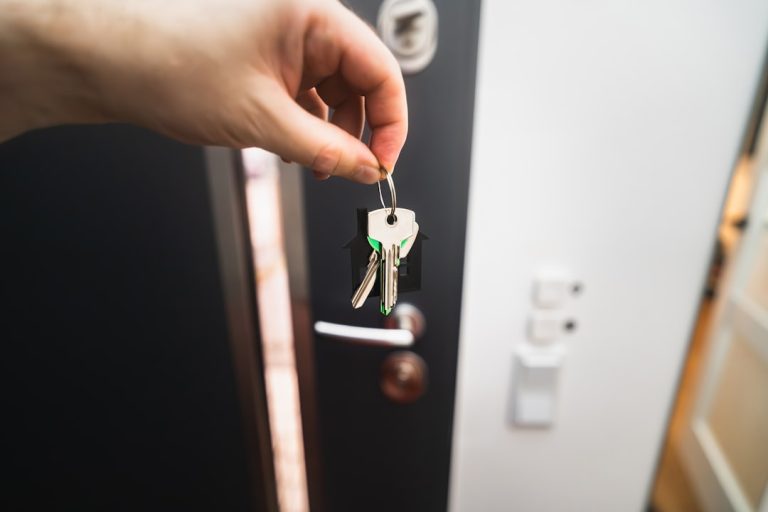

5 Mistakes to Avoid as a First-Time Home Buyer
Buying your first home is one of the biggest financial decisions you will ever make, and doing it well requires more than just finding a house you love. Many first-time buyers make avoidable mistakes that cost them money, delay their closing, or put them in a home they are not truly prepared for.
We have walked hundreds of first-time buyers through the process in Texas, and these are the five mistakes we see most often. Avoid them and you will be in a much stronger position from start to finish.
Mistake 1: Not Getting Pre-Approved Before You Start Shopping
House hunting without a pre-approval is like shopping without knowing your budget. You might fall in love with homes you cannot afford or waste months looking in the wrong price range. Worse, when you do find the right home and make an offer, sellers in a competitive market will not take you seriously without a pre-approval letter in hand.
What to Do Instead
Talk to a lender before you ever visit an open house. The pre-approval process involves verifying your income, pulling your credit, and running your application through automated underwriting. It typically takes 1-3 business days once you submit your documents and gives you a concrete number to work with. It also surfaces any issues early, when you have time to address them.
Mistake 2: Making Large Purchases or New Credit Applications Between Pre-Approval and Closing
Your lender will re-verify your credit and employment shortly before closing. If you financed new furniture, bought a car, or opened a new credit card after your pre-approval, your debt-to-income ratio may no longer qualify and your loan could be denied or delayed at the worst possible moment.
What to Do Instead
Treat the period from pre-approval to closing as a financial freeze. Do not finance anything. Do not open new accounts. Do not close old accounts either, since that can reduce your available credit and hurt your score. The furniture can wait until after you have the keys.
Mistake 3: Underestimating the Total Cost of Homeownership
Many first-time buyers focus only on the mortgage payment and forget about property taxes, homeowners insurance, HOA dues, maintenance, and utilities. In Texas, property taxes alone can add $700-$1,000 or more to your monthly cost on a median-priced Austin home. Add insurance, and your real monthly housing cost is substantially higher than the mortgage payment alone.
What to Do Instead
Ask your lender for a full PITI payment estimate that includes principal, interest, taxes, and insurance. Then add your estimated HOA dues and a maintenance reserve. That full number is what you are actually committing to every month. Make sure your budget can genuinely absorb it, not just on paper but comfortably.
Mistake 4: Skipping or Shortchanging the Home Inspection
The home inspection is your best opportunity to discover problems before they become your problems. We have seen buyers waive inspections in competitive markets to make their offers more attractive, and we understand the pressure. But skipping it is a high-risk move that can leave you with an expensive surprise shortly after moving in.
What to Do Instead
Always get an inspection. If the market is competitive and you want to strengthen your offer, consider an informational inspection (you agree not to request repairs but you still get the information). You can still walk away if something major surfaces, and you go into ownership with clear eyes about what you are buying. The $300-$600 for a quality inspector is the best money you will spend in the entire process.
Mistake 5: Draining Every Dollar for the Down Payment
Going all-in on a down payment and arriving at closing with almost nothing in reserve is a precarious position. What happens when the AC unit fails two months after moving in? Or you need a new water heater? Without reserves, a normal homeownership expense becomes a financial emergency.
What to Do Instead
Preserve cash reserves even if it means putting down a little less. Most conventional programs allow as little as 3-5% down, which frees up capital for reserves, closing costs, and the inevitable first-year surprises. We generally recommend buyers have at least 2-3 months of mortgage payments in reserves after closing, in addition to their emergency fund.
One Bonus Mistake: Choosing a Lender Based Only on Rate
Rate matters, but it is not everything. A lender who quotes you a great rate but drops the ball on communication, misses a closing deadline, or fails to clearly explain your options can cost you far more than a slightly higher rate would have. Service, responsiveness, and transparency matter enormously in a transaction this important.
We tell every client: compare your options, ask hard questions, and choose someone you trust, not just the lowest number on a quote sheet.
Ready to get started the right way? We will walk you through the process clearly, catch problems early, and keep you informed at every step. Or get a quick quote to see where you stand today.
Frequently Asked Questions
Q: How much money do I really need to buy my first home?
A: It depends on the loan type and purchase price. With an FHA loan at 3.5% down on a $400,000 home, you need $14,000 for the down payment plus 2-3% in closing costs ($8,000-$12,000), totaling roughly $22,000-$26,000. Seller concessions and down payment assistance programs can reduce what comes out of your pocket. Conventional loans start at 3% down. VA and USDA offer zero down for eligible buyers.
Q: Can I use gift money for my down payment?
A: Yes, on most loan types. FHA, conventional, and VA all allow gift funds from family members with proper documentation. The key requirements are a gift letter stating the funds do not need to be repaid and documentation of the transfer. Your lender will guide you through the process.
Q: What is a contingency and should I waive mine?
A: Contingencies are clauses in your purchase contract that allow you to back out under specific conditions, typically financing (the loan does not come through), inspection (the home has problems), and appraisal (the home does not appraise at the purchase price). In competitive markets, some buyers waive contingencies to win. This carries real risk and should be done with full understanding of the consequences. Talk to your agent and lender before waiving anything.
Q: How do I know if I am getting a fair deal on my mortgage?
A: The best way is to compare Loan Estimates from multiple lenders on the same day. The Loan Estimate is a standardized form lenders are required to provide, making comparisons straightforward. Look at the interest rate, APR, origination fees, and projected monthly payment. If you already have a Loan Estimate from another lender, we are happy to compare it side by side with what we can offer.
Q: What happens if my appraisal comes in below the purchase price?
A: This is called an appraisal gap. Your lender will only finance based on the appraised value, so you have several options: renegotiate the price with the seller, bring additional cash to cover the gap, challenge the appraisal with comparable sales data, or walk away if you have an appraisal contingency. Your agent and lender will advise you on the best approach based on the market and the specific situation.
First-time buyer ready to do this right? We guide first-timers through every step with clear explanations and zero guesswork. Talk to us today or get a quick quote.
Anthony Ferrando NMLS# 1919613 | Client Direct Mortgage NMLS# 1065732 | Licensed in Texas